


Introduction
Local businesses lose millions in revenue every year because they ignore one critical fact: 78% of mobile searches with local intent result in offline purchases within 24 hours. Yet most companies still create generic content that fails to connect with their local audience. Geographic content strategy transforms this challenge into your biggest competitive advantage.
Modern consumers demand hyper-relevant, location-specific content that speaks directly to their local needs, preferences, and cultural nuances. Smart businesses leverage geographic data to create targeted content that not only ranks higher in search results but also drives meaningful engagement and conversions.
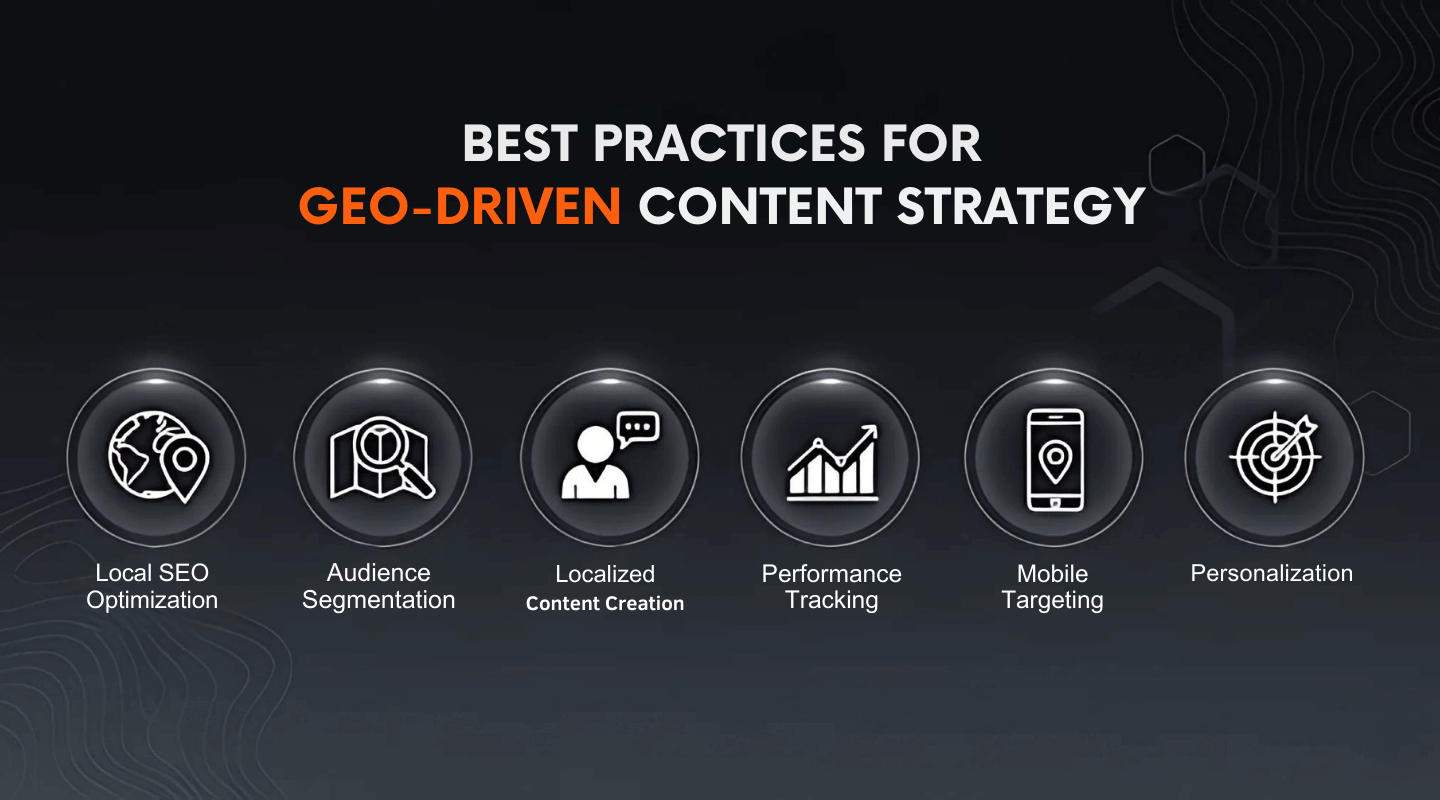
This comprehensive guide reveals seven proven strategies that successful brands use to dominate local markets through intelligent geo-driven content approaches. These tactics will help you capture more qualified leads, increase local visibility, and build stronger community connections.
Understanding GEO-Driven Content Strategy
Geographic content strategy involves creating, optimizing, and distributing content based on specific location data, cultural preferences, and regional search behaviors. This approach goes beyond simple location mentions—it requires deep understanding of local market dynamics, consumer behavior patterns, and regional business environments.
Successful geo-targeting considers multiple factors: climate variations, local events, cultural celebrations, economic conditions, and regional dialects. Companies implementing these strategies typically see 40% higher engagement rates and 25% better conversion performance compared to generic content approaches.
Why Geographic Content Matters Now
Search engines increasingly prioritize location relevance in their algorithms. Google’s RankBrain and BERT updates specifically reward content that demonstrates local expertise and addresses regional user intent. Additionally, voice search growth—with 58% of consumers using voice search to find local business information—makes location-specific optimization essential.
7 Essential GEO Content Strategy Best Practices
1. Master Local Keyword Research and Intent Analysis
Effective geo-content starts with comprehensive local keyword research that uncovers regional search patterns and language variations. Use tools like Google Keyword Planner, Ahrefs, and SEMrush to identify location-specific search terms, but don’t stop there.
Analyze local competitor content, social media conversations, and regional forums to discover unique phrases and concerns specific to your target areas. For example, “soda” versus “pop” preferences vary significantly across regions, affecting search behavior and content resonance.
Create keyword clusters that combine product/service terms with geographic modifiers: city names, neighborhoods, landmarks, and regional identifiers. This approach captures both explicit location searches and implicit local intent.
2. Develop Location-Specific Content Pillars
Build comprehensive content frameworks around local themes that matter to your target communities. These pillars should address regional challenges, celebrate local culture, and provide solutions tailored to specific geographic areas.
Consider seasonal variations, local industry trends, and community events when developing content calendars. A landscaping company in Phoenix creates different content than one in Seattle—climate, plant varieties, and maintenance schedules vary dramatically.
Successful brands typically maintain 60% evergreen local content and 40% timely, event-driven pieces. This balance ensures consistent search visibility while capitalizing on trending local topics and seasonal opportunities.
3. Optimize for “Near Me” and Hyperlocal Searches
“Near me” searches grew by 900% over two years, making hyperlocal optimization crucial for visibility. Optimize content for proximity-based searches by including neighborhood names, local landmarks, and directional references throughout your content.
Create dedicated location pages for each service area, but avoid duplicate content by highlighting unique aspects of each location: local partnerships, community involvement, area-specific services, or regional expertise.
Implement structured data markup for local businesses, including NAP (Name, Address, Phone) information, business hours, and service areas. This helps search engines understand your geographic relevance and improves local pack visibility.
4. Leverage Local Events and Cultural Moments
Capitalize on local events, festivals, sports teams, and cultural celebrations to create timely, relevant content that resonates with regional audiences. This strategy builds community connection while improving search visibility for event-related queries.
Monitor local event calendars, news sources, and social media trends to identify content opportunities. Create comprehensive event guides, local business spotlights, and community resource lists that position your brand as a local authority.
Successful implementation requires advance planning and real-time responsiveness. Prepare evergreen event content in advance, then create timely updates and social media content during actual events.
5. Build Strategic Local Partnerships and Citations
Develop relationships with local businesses, organizations, and influencers to create collaborative content opportunities and build authoritative local citations. These partnerships provide valuable backlinks while establishing community credibility.
Guest posting on local blogs, sponsoring community events, and collaborating with regional businesses creates natural link-building opportunities. Focus on quality over quantity—one authoritative local citation often outperforms dozens of low-quality directory listings.
Create resource pages that highlight local partners, suppliers, and community organizations. This approach builds relationships while providing valuable local information that search engines and users appreciate.
6. Implement Dynamic Location-Based Personalization
Use IP geolocation and user data to deliver personalized content experiences based on visitor location. This technology allows you to display relevant local information, pricing, availability, and contact details automatically.
Dynamic personalization improves user experience while reducing bounce rates and increasing conversion potential. Visitors see immediately relevant information without manual location selection or navigation through generic content.
However, always provide manual location override options and respect privacy preferences. Transparency about data usage builds trust while ensuring compliance with privacy regulations.
7. Create Comprehensive Local Resource Content
Develop authoritative local guides, directories, and resource collections that serve as go-to references for your target communities. This evergreen content attracts consistent organic traffic while establishing local expertise.
Examples include local business directories, event calendars, community resource guides, area demographics, and neighborhood spotlights. Focus on comprehensive, regularly updated content that provides genuine value to local residents and visitors.
These resources often become natural link magnets, attracting citations from other local websites, news sources, and community organizations. The resulting authority boost benefits your entire domain’s search performance.
Frequently Asked Questions
Q: How do I scale geo-content across multiple locations without creating duplicate content?
A: Focus on unique local elements for each location: specific neighborhood characteristics, local partnerships, area-specific services, regional case studies, and community involvement. Use templates for structure while customizing content substantially for each location.
Q: What’s the ideal content length for local SEO pages?
A: Comprehensive location pages typically perform best with 800-1,500 words, but prioritize quality and user value over word count. Include local-specific information, testimonials, area expertise, and community connections rather than generic content padding.
Q: How often should I update geo-targeted content?
A: Review and update location-specific content quarterly, with immediate updates for major local changes (new locations, service areas, contact information). Monitor local search trends monthly to identify new content opportunities.
Q: Should I create separate websites for different locations?
A: Generally, subdirectories on your main domain (/location-name/) perform better than separate websites, as they consolidate domain authority. However, distinctly different markets or brands may benefit from separate domains with proper cross-linking strategies.
Q: How do I measure geo-content strategy success?
A: Track local keyword rankings, Google My Business insights, location-specific organic traffic, local conversion rates, and citation growth. Use Google Analytics location reports and Search Console geographic performance data for comprehensive measurement.
Advanced Implementation Strategies
Technical SEO for Geographic Content
Implement hreflang tags for international geo-targeting, use consistent NAP information across all platforms, and create XML sitemaps for location-specific pages. Ensure fast loading speeds for mobile users, as local searches predominantly occur on mobile devices.
Set up Google My Business profiles for each location, optimize for local review generation, and maintain consistent brand messaging across all local platforms. These technical elements support content strategy while improving overall local search performance.
Content Distribution and Promotion
Leverage local social media groups, community forums, and regional influencer networks to amplify geo-targeted content. Partner with local media outlets for content syndication and establish relationships with regional bloggers and journalists.
Create location-specific social media accounts when managing multiple markets, but maintain consistent brand messaging and quality standards. Tailor posting schedules to local audience behavior patterns and time zones.
Measuring and Optimizing Performance
Use advanced analytics to track location-specific performance metrics: bounce rates by geographic region, conversion paths for different locations, and content engagement patterns across markets. This data informs optimization decisions and expansion strategies.
Implement heat mapping and user behavior tracking to understand how visitors from different regions interact with your content. These insights guide design improvements and content adjustments that enhance local user experience.
Conclusion
Geographic content strategy represents one of today’s most powerful opportunities for businesses seeking competitive advantage in local markets. The seven strategies outlined in this guide provide a comprehensive framework for creating location-specific content that drives meaningful results.
Success requires consistent implementation, continuous optimization, and genuine commitment to serving local communities. Businesses that embrace geo-driven content approaches will dominate local search results while building stronger customer relationships and sustainable competitive advantages.
Start implementing these strategies today by conducting local keyword research for your primary market areas. Focus on quality over quantity, prioritize user value, and maintain consistent optimization efforts. The investment in geographic content strategy will pay dividends through increased visibility, engagement, and local market share.
Remember that effective geo-content strategy evolves with your business and local markets. Stay attuned to community changes, search behavior shifts, and emerging local opportunities to maintain your competitive edge in an increasingly location-conscious digital landscape.