


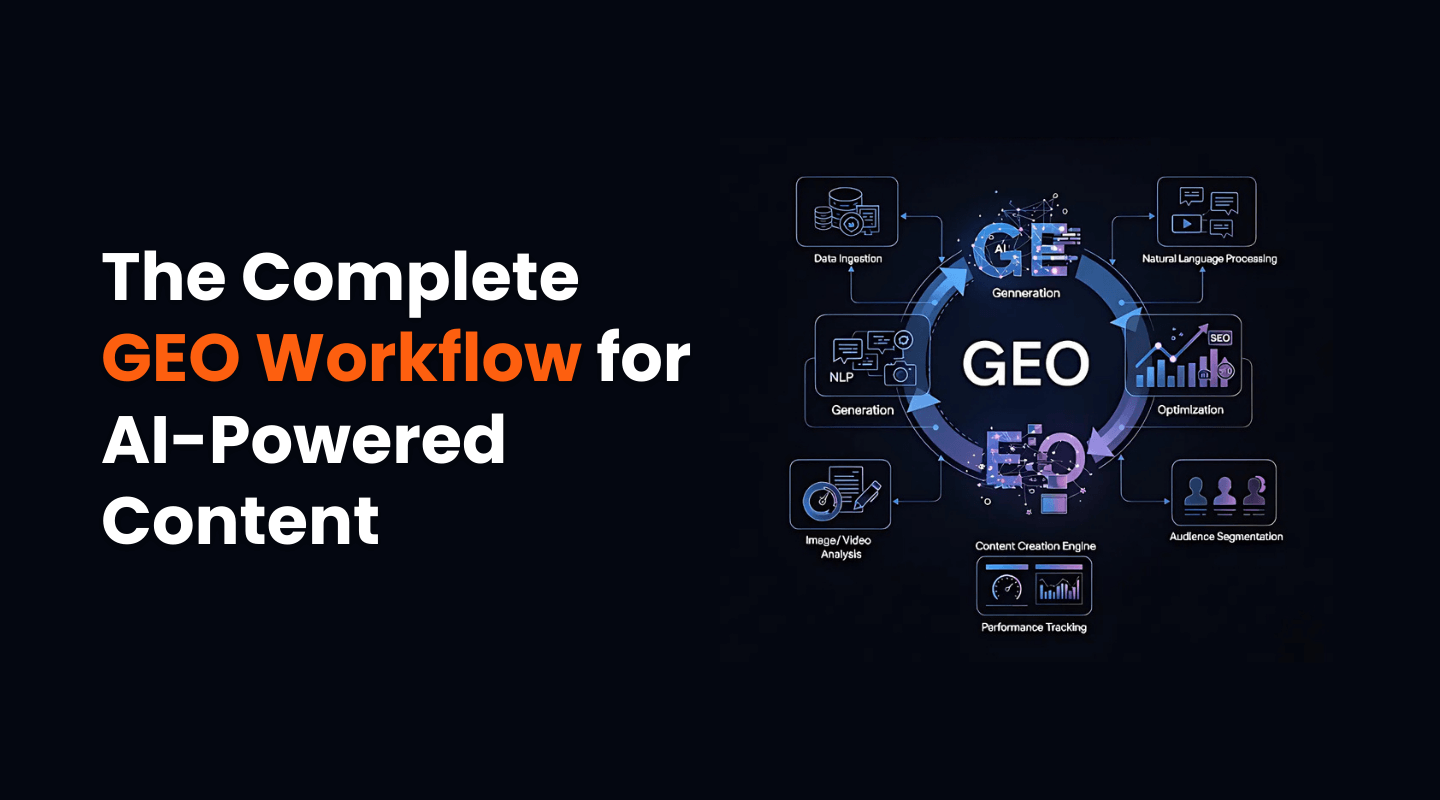
In today’s digital landscape, combining Geographic Engine Optimization (GEO) with artificial intelligence represents the future of content marketing. Smart businesses are already leveraging this powerful synergy to dominate local search results and capture high-intent customers. However, implementing an effective GEO workflow for AI-powered content requires strategic planning, precise execution, and continuous optimization.
Understanding the GEO-AI Content Revolution
Geographic Engine Optimization extends beyond traditional SEO by focusing on location-specific search intent and regional user behavior. When merged with AI capabilities, this approach creates unprecedented opportunities for businesses to connect with their target audiences across different geographical markets.
Research indicates that 46% of all Google searches have local intent, while 78% of location-based mobile searches result in offline purchases within 24 hours. These compelling statistics underscore the critical importance of implementing a robust GEO workflow that maximizes your AI-generated content’s local search visibility.
The Complete 7-Step GEO Workflow for AI-Powered Content
Step 1: Geographic Market Research and Analysis
Begin your workflow by conducting comprehensive geographic market research. Utilize AI-powered analytics tools to identify high-opportunity locations, analyze competitor presence, and understand regional search patterns. This foundational step ensures your content strategy aligns with actual market demands and geographic opportunities.
Key activities include mapping competitor locations, analyzing regional keyword variations, and identifying untapped geographic markets. AI tools can process vast datasets to reveal location-specific trends that manual research might overlook.
Step 2: Location-Specific Keyword Strategy Development
Develop targeted keyword strategies for each geographic market using AI-enhanced keyword research tools. Focus on location-specific long-tail keywords that combine your primary services with geographic modifiers. For example, “emergency plumber downtown Chicago” or “organic bakery near Central Park.”
AI algorithms excel at identifying semantic relationships between location-based terms and user intent. Leverage these insights to create comprehensive keyword maps that guide your content creation process.
Step 3: AI-Powered Content Creation with Geographic Context
Deploy AI writing tools to generate location-specific content that resonates with regional audiences. However, ensure human oversight maintains quality standards and authentic local voice. AI-generated content should incorporate local landmarks, regional terminology, and cultural references that establish genuine geographic relevance.
Create content pillars that address location-specific pain points, highlight regional success stories, and showcase local partnerships. This approach builds trust and demonstrates your business’s genuine connection to each market.
Step 4: Technical GEO Implementation
Implement technical GEO elements including structured data markup, location-specific meta tags, and geographic sitemaps. Ensure your AI-generated content includes proper schema markup for local businesses, addresses, and geographic coordinates.
Configure geographic targeting in Google Search Console and implement hreflang tags for multi-location websites. These technical foundations enable search engines to properly categorize and display your content for location-specific queries.
Step 5: Local Citation and Directory Optimization
Systematically build local citations across relevant directories and platforms for each target location. Maintain consistent NAP (Name, Address, Phone) information across all platforms to strengthen geographic authority signals.
Use AI tools to monitor citation consistency and identify new directory opportunities. Automated monitoring helps maintain accuracy across hundreds of potential citation sources.
Step 6: Performance Monitoring and Analytics
Establish comprehensive monitoring systems to track geographic performance metrics. Monitor local search rankings, geographic traffic patterns, and location-specific conversion rates. AI-powered analytics platforms can identify patterns and opportunities that traditional monitoring might miss.
Set up automated alerts for ranking changes, citation inconsistencies, and competitor movements in your target markets. This proactive approach enables rapid response to market changes.
Step 7: Continuous Optimization and Scaling
Implement continuous optimization processes based on performance data and market feedback. Use AI insights to identify high-performing content patterns and scale successful strategies across new geographic markets.
Regular optimization ensures your GEO workflow remains effective as search algorithms evolve and market conditions change.
Frequently Asked Questions About GEO Workflows for AI Content
Q: How does AI improve geographic content creation? A: AI accelerates content creation while maintaining geographic relevance through data-driven insights, automated localization, and pattern recognition that identifies location-specific opportunities at scale.
Q: What’s the biggest mistake in GEO workflow implementation? A: The most common error involves creating generic content with location names inserted rather than developing genuinely location-specific content that addresses regional needs and preferences.
Q: How long does it take to see results from a GEO workflow? A: Initial improvements typically appear within 3-6 months, with substantial results manifesting after 6-12 months of consistent implementation and optimization.
Q: Can small businesses compete using GEO workflows? A: Absolutely. Small businesses often have advantages in local market knowledge and community connections that, when combined with AI efficiency, create competitive advantages over larger corporations.
Measuring GEO Workflow Success
Track key performance indicators including local search rankings, geographic organic traffic growth, location-specific conversion rates, and citation consistency scores. Advanced AI analytics can correlate these metrics with business outcomes, providing insights into workflow effectiveness and optimization opportunities.
Successful GEO workflows typically generate 25-40% increases in local search visibility within six months, accompanied by improved conversion rates from geographically targeted traffic.
Future-Proofing Your GEO Strategy
Stay ahead of evolving search algorithms by maintaining flexibility in your workflow processes. Voice search optimization, mobile-first indexing, and AI-driven personalization represent emerging trends that will shape future GEO strategies.
Invest in scalable systems and processes that can adapt to technological changes while maintaining the core principles of geographic relevance and user value.
Conclusion
Implementing a complete GEO workflow for AI-powered content transforms how businesses connect with location-specific audiences. This systematic approach combines the efficiency of artificial intelligence with the precision of geographic targeting, creating sustainable competitive advantages in local search markets.
Success requires commitment to process consistency, continuous optimization, and genuine value creation for geographic audiences. Businesses that master this integration will dominate local search results while building stronger community connections and driving sustainable growth.
The convergence of AI technology and geographic optimization represents more than a tactical advantage—it’s a strategic imperative for businesses serious about local market dominance. Start implementing these workflow steps today to secure your position in tomorrow’s competitive landscape.