


Introduction
As AI-driven search engines continue to transform how users find information, businesses must adapt to stay competitive. Traditional keyword-based SEO is no longer enough. Today, Generative Engine Optimization (GEO) is reshaping digital marketing, and content clustering is one of its most powerful tools.
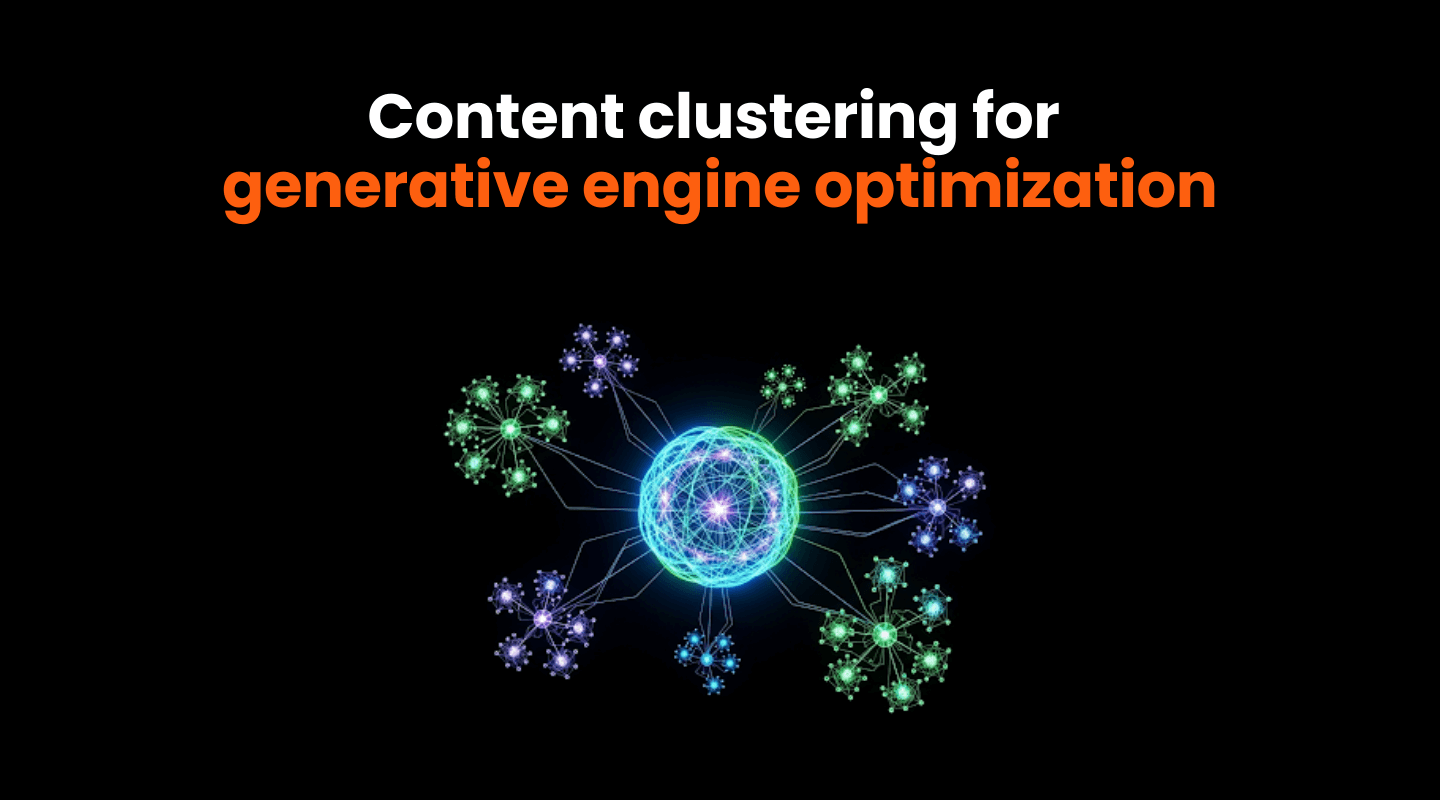
Content clusters help brands organize content into cohesive, interlinked structures that improve visibility, authority, and user engagement. This strategy aligns perfectly with how generative AI engines like Google’s Search Generative Experience (SGE), Perplexity, and ChatGPT-powered searches analyze and prioritize information.
In this article, we’ll reveal how to build powerful content clusters using GEO, address FAQs, and share actionable insights that can elevate your content strategy to the next level.
Why Content Clusters Matter in GEO
- AI Prefers Context, Not Keywords: Generative engines analyze intent and connections between topics rather than isolated keywords.
- Improved Crawlability and Authority: Interlinking clusters boosts SEO signals, helping your pillar content rank faster.
- Enhanced User Experience: Visitors stay longer when your content flows logically and solves multiple related questions.
- Future-Proof Strategy: As generative search expands, structured clusters will ensure your brand remains relevant.
Step-by-Step Guide to Building Powerful Content Clusters Using GEO
1. Identify Your Core Pillar Topics
- Start with high-value themes closely aligned with your business goals.
- Example: If you offer marketing services, your pillar could be “Generative Engine Optimization for Businesses.”
2. Perform In-Depth Keyword and Intent Research
- Use tools like Ahrefs, Semrush, SurferSEO, and AI-driven topic explorers.
- Focus on long-tail queries, FAQs, and conversational keywords that generative engines prefer.
3. Plan Your Cluster Content Structure
- Create 5–10 subtopics supporting each pillar.
- Example cluster: “AI Keyword Research,” “Prompt Engineering,” “Content Refresh Tactics,” “Voice Search Optimization.”
4. Produce High-Quality, Actionable Content
- Write in-depth, authoritative articles using data, case studies, and storytelling.
- Keep your tone business-oriented but engaging.
5. Optimize for GEO and AI-Driven Search
- Use schema markup and structured data to help AI understand your content.
- Maintain natural language and avoid keyword stuffing.
6. Interlink Strategically for Maximum Impact
- Link all cluster pages to the main pillar page and to each other.
- Use descriptive anchor text for clarity and SEO benefit.
7. Monitor and Update Frequently
- GEO thrives on fresh, relevant content.
- Review and update clusters every 3–6 months to maintain authority.
Frequently Asked Questions
Q1. How many cluster pages should I create for each pillar?
Aim for 5–10 well-researched subtopics per pillar to establish authority without overwhelming your audience.
Q2. Is content clustering suitable for small businesses?
Yes. Even a small site can rank well by focusing on niche authority with well-structured clusters.
Q3. How does GEO affect traditional SEO strategies?
GEO emphasizes context, relationships, and intent over simple keyword targeting, making structured clusters essential.
Q4. Do I need technical expertise for GEO clustering?
Not necessarily. While schema markup helps, even non-technical creators can succeed by focusing on content quality and interlinking.
Q5. How often should I refresh my content clusters?
Updating content every quarter is ideal to stay competitive and signal relevance to AI search engines.
Data and Statistics to Support GEO Clustering
- Businesses using content clusters experience up to 40% more organic traffic (HubSpot).
- Sites with structured internal linking see a 2x increase in session duration.
- Generative engines favor sites that refresh content, with freshness impacting visibility by 30%.
Pro Tips for Success with GEO Content Clusters
- Repurpose and Diversify: Convert blogs into infographics, videos, and guides to boost reach.
- Integrate AI Tools: Leverage ChatGPT or Jasper for brainstorming subtopics and outlines.
- Focus on User Questions: Generative engines prioritize Q&A-style content.
- Add Storytelling: Real examples build trust and improve retention.
- Promote Clusters Across Channels: Share on LinkedIn, newsletters, and communities to gain backlinks.
Conclusion
Building powerful content clusters using GEO is no longer optional—it’s the backbone of modern SEO and AI-driven marketing. By structuring your content around pillar pages, interlinking strategically, and keeping topics fresh, you can dominate generative search results and create lasting digital authority.
Start small if needed, but stay consistent. The key is depth, organization, and adaptability. The businesses that master GEO clustering today will lead tomorrow’s digital landscape.